















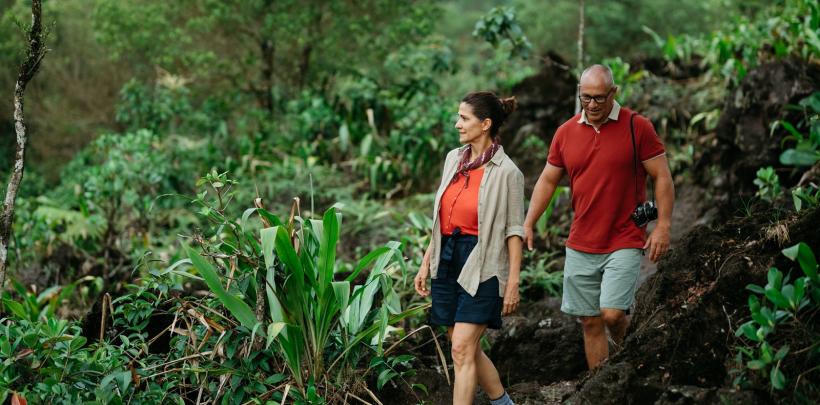
Costa Rica is rapidly becoming a big hit with Canadian snowbirds. While the country has been a favourite vacation destination for some time, snowbirds are appreciating its affordability, along with its rainforests, wildlife, beaches and natural beauty.
Costa Rica is also an accessible destination that has worked on improving local infrastructures, which enables people with disabilities to enjoy the country and its natural landscapes – this is an ongoing project, but the country has been recognized as being one of the more accessible countries in the world, which is an added bonus for snowbirds
But Costa Rica’s main appeal is its vast expanse of rainforests, waterfalls, beaches, wildlife and its 31 National Parks - over 26% of Costa Rica is a protected area. There are 58 wildlife sanctuaries and 9 biological reserves in the country.
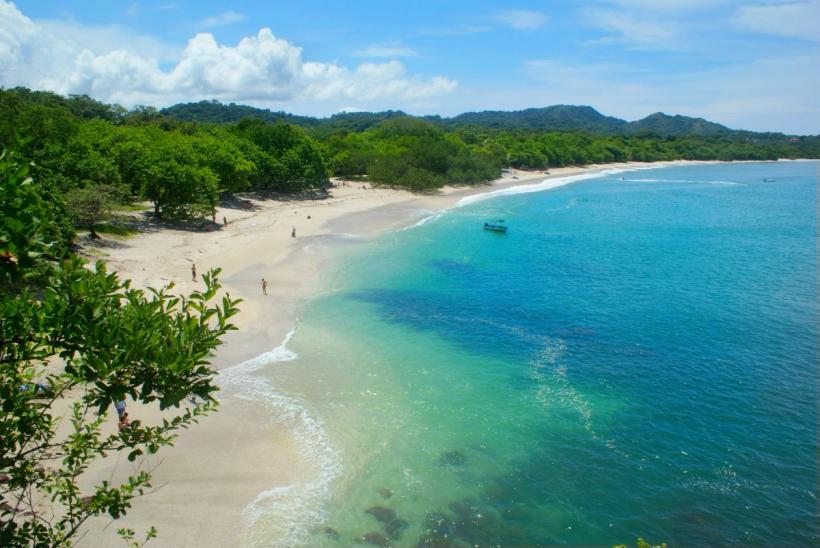
Costa Rica has two coasts - on the Pacific and the Atlantic - and 138 of Costa Rica’s beaches have the eco-friendly Blue Flag designation.
Best of all, Costa Rica has a warm sub-tropical climate year-round - but it also has 12 micro-climates within its mountains and rainforests.
Getting to Costa Rica
There are direct flights from several Canadian cities to Costa Rica operated by various airlines. Some are available year-round, while others are seasonal, depending on the departure city:
Air Canada has flights from Toronto, Montreal, Ottawa and Vancouver;
Westjet has flights from Toronto, Calgary, Winnipeg and Vancouver;
Air Transat has flights from Toronto, Montreal and Quebec City;
Porter has flights from Toronto and Ottawa.
Check with your travel agent or the airline for the most up-to-date information on flights, as routes and availability can change quickly and without notice.
Accommodations

You will find many accommodation options for Costa Rica in its various regions – everything from hotels and guest houses to lodges, bed & breakfast inns and major resorts.
Snowbirds can also search for their own long-term rentals through the usual websites.
Where snowbirds congregate in Costa Rica
Most snowbirds are drawn to the Pacific coastal regions from north to south. But some choose to spend time in San Jose as well. The Pacific coast has wonderful beaches and a great climate, and there are a number of developed areas that offer golf, tennis and just about everything else that snowbirds are looking for.
Jaco is a popular tourist destination – a central Pacific coast town with lots of activities. If you want to be near Jaco but prefer something less busy, Playa Hermosa is just a few minutes away with black sand beaches and a laid-back vibe.
Tamarindo is a beach town in the northern section of the Pacific coast known for fishing, diving and surfing – and there are good restaurants and things to do.
Popular snowbird destinations include Manuel Antonio and Ojochal, where snowbirds will find a variety of affordable accommodations. Ojochal is located in the south and is probably the most affordable of all – both towns are near the Pacific coast.
The capital city, San Jose, is a large metropolis in the Central Valley region, with many parks, museums, hotels, theatres, and restaurants. A great idea for snowbirds is to spend a few weeks in San Jose and some time on the Pacific coast to really get to know this wonderful country.
Cultural events
Attending cultural festivals and events is a great way to immerse yourself in local traditions during your stay, including the following highlights:
- Carnaval de Puntarenas (February-March): Carnival season in Puntarenas is typically held in the month of February, prior to Lent, and features a wealth of recreational activities including fireworks displays, costume parades featuring traditional mascaradas (also known as giant painted heads), Costa Rican dancers and a variety of national dishes.
- Día Nacional del Boyero (March): Celebrated on the second Sunday of March in the town of San Antonio de Escazu, Día Nacional del Boyero (Oxcart Drivers Day) is one of the most colourful celebrations in Costa Rica. At the center of the event is a parade of over a hundred beautifully handmade and painted oxcarts, followed by a celebration with food, dancing and traditional costumes. The festival is a celebration of Costa Rica’s oxcart tradition, when oxcarts were used to transport coffee from the Central Valley to Punarenas.
- Tope de Toros (March): A cultural manifestation in Costa Rica’s Guanacaste province, this bull parade, or “tope,” celebrates the importance of the bull throughout the country’s history. The bulls are accompanied by “sabaneros,” Costa Rica’s cowboys wearing their traditional dress, as well as townspeople.
- Día de la Virgen de los Ángeles (August 2): This is the annual pilgrimage day of the patron virgin, “La Negrita,” of Costa Rica. Nearly one million people gather to walk from San José to the Basílica de Nuestra Señora de los Ángeles (Our Lady of the Angels Basilica) in Cartago, a distance of approximately 15 miles (24 kilometres).
- Día del Afrodescendiente (August 31): August 31 is the celebration of the History of African-Descended Peoples in Costa Rica. This cultural day derives from a period in Costa Rica’s history, over 400 years ago, when Jamaican inhabitants, including people of Asian, Indian, Chinese and Italian descent, among others, arrived in the country. Among these groups were the Bribri and Cabécar indigenous groups, who later inhabited the mountains of Talamanca, where they remain to this day.
- Carnaval de Limón (October): This Caribbean street party takes place the week of Columbus Day and is one of the most famous Costa Rican festivals. Described as a small-scale version of Mardi Gras, the celebration includes floats, dancing and extravagant street celebrations commemorating Columbus’s first arrival in Costa Rica.
Exploring the national parks
Costa Rica has 31 National Parks, and snowbirds who spend the winter here will want to visit some of these national treasures. Depending on where you are based in Costa Rica, you will likely be close to at least one or two of these amazing natural wonders.
Located in the Pacific coastal area is Manuel Antonio National Park - where you will find beautiful tropical vegetation that borders pristine beaches. There’s lots of wildlife here that can be seen from the many hiking trails through the rainforest.
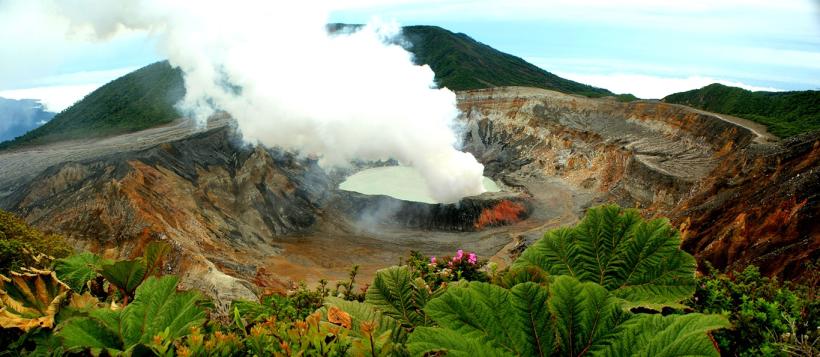
Just outside San Jose, you can visit an active volcano at Poas Volcano National Park – at 8,885 feet, it offers incredible views and features a highly acidic lake that changes colour frequently. The park has paved walkways and ramps, making it fully accessible.
Turtle lovers will want to visit Tortuguero National Park on Costa Rica’s Caribbean coast, where four different species of sea turtles nest – the green turtle, the hawksbill, loggerhead and giant leatherback. But you will also find many protected species here. including Jaguars, tapirs and monkeys, as well as over 300 varieties of birds. You can explore the park on the network of canals by boat, kayak or canoe.
You can find more information about all of Costa Rica’s wonderful national parks here.
Culinary
Costa Rica’s foodie scene has exploded in recent years - today there are over 15,000 chefs in the country preparing traditional and international recipes incorporating Costa Rica’s abundance of fresh fruits and vegetables, including guava, mangoes, papaya, cassava and cacao.
In addition to many fine restaurants, you will also find “Sodas” in San Jose, the capital, and all over the country - casual restaurants and food stalls serving Costa Rican favourites.

Costa Rica is recognized as a producer of great coffee - the country has been producing coffee since the 18th century. In fact, Costa Rica is the 14th largest coffee producer in the world, exporting 70% of its coffee to North America.
Snowbirds can learn all about Costa Rica’s coffee production by visiting one of the country’s many coffee farms - and enjoy wonderful coffee throughout their stay
The bottom line
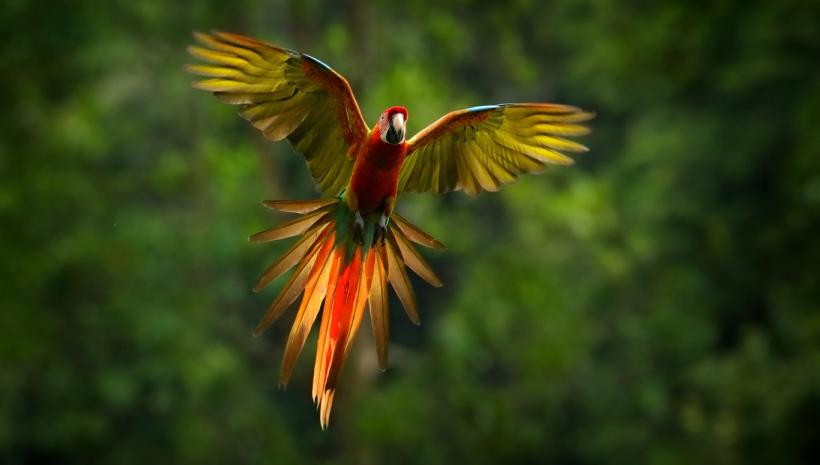
Snowbirds looking for a winter paradise need look no further - Costa Rica is a safe, abundantly beautiful country with perfect weather, warm ocean waters, lush rainforests, sandy beaches, affordable accommodations and friendly people.
Find out why people from around the world have decided to retire here!
For more detailed information about Costa Rica as a snowbird destination, check out Snowbird Advisor's Costa Rica Snowbird Destination Guide.