















LAST UPDATED: November 5, 2025
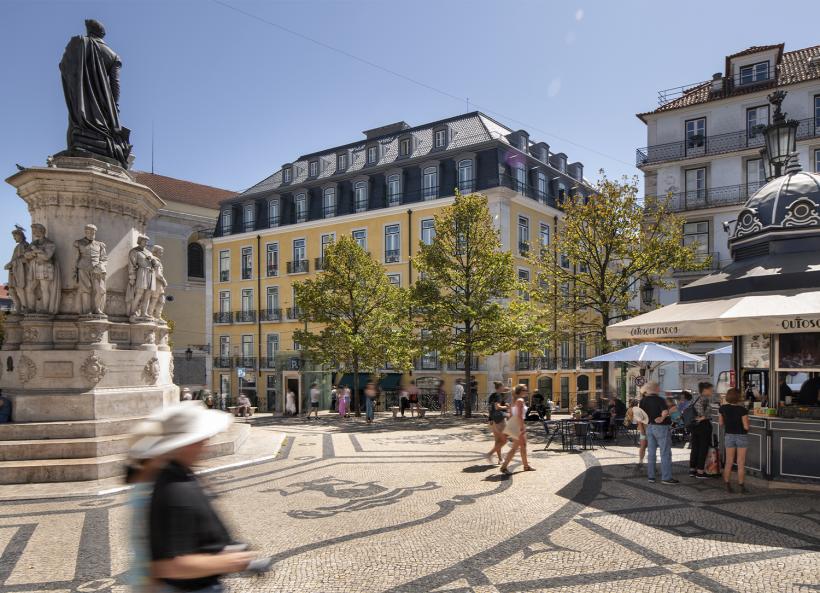
Canadian snowbirds would be hard-pressed to find a more suitable base in Portugal for an extended stay than Lisbon, the capital. One of the most affordable cities in Europe - and one of the safest – combined with a mild year-round climate and an early spring, Lisbon is an ideal destination for Canadians anytime.
If you come during the winter months – considered off-season in Portugal - prices are much lower, especially for accommodations - this makes Lisbon one of the more affordable destinations anywhere for Canadian snowbirds.
This wonderful city is located close to Atlantic beaches and is home to historic sites dating back to the 10th Century. In fact, there is so much to explore and discover here that you will never be short of things to do.
And even better, there are 20 excellent golf courses within an hour’s drive of the city.
You can find a rental here and never leave – there are so many daytrips and things to do and see in the general area.
Plenty of day trip ideas to keep you busy
f you are coming to Lisbon for an extended stay, you will want to have lots of choices of things to do and excursions you can take, in addition to exploring this grand European capital city.
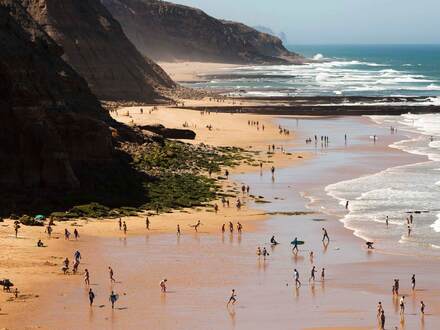
Most snowbirds enjoy taking excursions as an activity to break up the time and explore the surrounding region. Lisbon is an excellent base for taking short excursions to explore more of Portugal. There are beaches and the Atlantic coast nearby, as well as many interesting places to discover, including:
- Cascais & the Estoril Coast
A short distance from Lisbon on the Atlantic coast, you’ll find Cascais and Estoril - former fishing villages transformed into modern seaside resorts with lovely beaches, resorts and a casino. Watch the surfers and the sailboats and enjoy watersports of all kinds. - Sintra
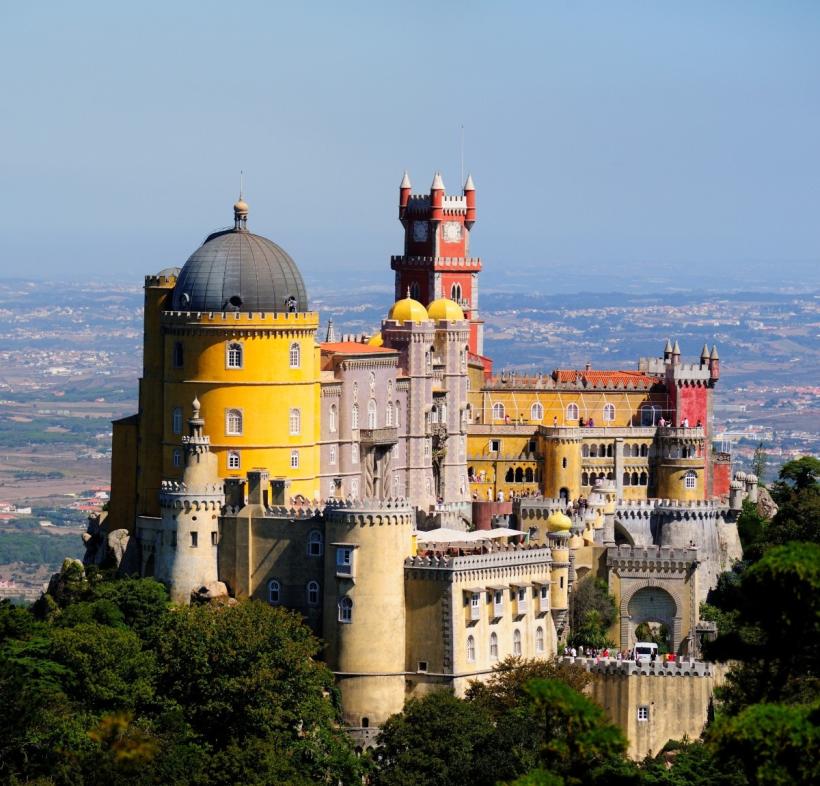
Another fabulous day trip from Lisbon is to Sintra – now a UNESCO World Heritage Site that was once the summer home of the Portuguese nobility. Today, it delights visitors with its stunning setting, beautiful palaces and rugged scenery. - Arrabida
Arrábida Natural Park has incomparable natural beauty, where the Atlantic is framed by white chalk cliffs and a backdrop of the lush green mountain range.
To learn more about the animal and plant life, visit the Oceanographic Museum, installed in the Fort of Nossa Senhora da Arrábida, next to Portinho beach.
There is also a wine route in the region, the Setubal Wine Route, just south of Lisbon in which leads to the friendly town of Azeitão, where you can sample delicious cheeses and wines. - Mafra
Just 30 km to the north of Lisbon lies the city of Mafra, where you will find the Mafra National Palace, a UNESCO World Heritage Site, a monastery and convent, an ornate basilica and a grand library that contains over 36,000 ancient books - and a colony of bats! - Ericeira
Not far from Mafra, Ericeira is a lovely fishing town and also a surfing mecca. High cliffs overlook beaches and plenty of surf. Ericeira has a relaxed vibe and is a great spot for lunch with grilled fish or lobster from the sea. This part of the coast has been named the 1st Surfing Reserve in Europe by the American organization Save the Waves Coalition. - Tejo
A rural area of Lisbon which takes you back in time and embraces natural beauty. You will find horse riding, fishing and farming on one side of the river and more industrial and water sports-oriented Lisbon on the other. You might even see farmers driving bulls through the streets. The Tagus Arch, which surrounds the huge river estuary and its impressive nature reserve, offers an incredible venue for water sports, mainly canoeing and sailing. The area offers unique photographic opportunities and the Tagus Estuary Nature Reserve has one of the largest wetland areas in Europe. A bird lover’s paradise! - Caparica
Just 30 minutes from the city centre by boat or train from Cais do Sodré or Campolide, you will find Costa da Caparica, one of the most extensive Portuguese beaches. Come to relax and watch beach volleyball, surfers and bodyboarders. Blue Flags mark so many of these beaches in Almada.
Sunshine 300 days of the year
A coastal city, Lisbon basks in sunshine 300 days a year, making it one of the sunniest of the European capitals and an ideal place for snowbirds.
The coldest months are December and January, with highs around 15C and some rain. If you go then, make sure your accommodation is heated. By mid-February, spring arrives and the weather is warmer through March, April and May.
The winter and spring months are a great time to explore the sights, museums and galleries of Lisbon, as they are much less crowded than during the summer tourist season.
Getting to Lisbon
Lisbon is the primary international air hub in Portugal and snowbirds have many options to get there from Canada.
TAP Air Portugal, Air Canada and Air Transat all operate direct flights from Toronto and Montreal.
There are also many ways to get to Lisbon from Canada via European gateways on numerous airlines.
Azores Airlines also offers connections to Lisbon from Montreal and Toronto through Ponta Delgada on the island of San Miguel in the Azores during the winter months.
Where to stay in Lisbon
There are many apartment hotels, apartments, pousadas (inns) and hotels to choose from in Lisbon - including everything from 5-star to budget locations, providing snowbirds with multiple long-stay accommodation options
You’ll find a complete list of approved accommodations from Visit Lisboa here.
Navigating Lisbon
Lisbon has a great transit system that incorporates its iconic trams, a subway and buses – as well as trains to the outlying areas of the city. You will not need a car here, which is one of the many great reasons to stay in Lisbon, as it’s easy to get around and you won’t have to incur the cost of renting a car.
When you first arrive in Lisbon, it is always a good idea to take a city tour or sightseeing tour to get your bearings. You will find a number of different Lisbon city tour options here.
Lisbon itself is full of historic wonders
Lisbon is steeped in history alongside modern additions. The unique azulejo blue and white tiles are a distinctive feature found on buildings, and are also a must-have souvenir. The tiles were brought by the Moors who inhabited the Iberian Peninsula in the 13th century and are prevalent throughout the region.
There is so much for snowbirds to see in Lisbon, but here are just a few “must-see” sights:
- Alfama District and Castle of Sao Jorge – This centuries-old district overlooks the city with breathtaking views. Take the iconic #28 Tram through the winding streets of Lisbon’s oldest neighbourhood on the way to the castle. The moody Fado music was born here, which you will hear in some of the restaurants in the evening.
- Belem Tower is a UNESCO World Heritage Site built in the 16th Century at the gateway to Lisbon’s port, where Portugal’s famous explorers departed from. It is considered to be an important symbol of the Age of Discovery.
- Jeronimos Monastery is another UNESCO World Heritage Site and contains the tomb of Vasco da Gama, the renowned Portuguese explorer. The unique church and exquisite cloisters are not to be missed.
- The Praça do Comércio and Arch of Rua Augusta are a beautiful arch and a historical site located at the head of one of Lisbon’s busiest streets. It is a popular tourist attraction and affords terrific views.
One of Lisbon’s most emblematic squares is Praça do Comércio. As a symbol of the city, it provides access to various attractions that mustn’t be missed: Pátio da Galé, Cais das Colunas, and the innovative Lisbon Story Centre. - The Calouste Gulbenkian Museum is home to one of the finest private art collections, including the works of Rembrandt, Rubens, Monet and Lalique.
- The Sao Roque Church was the earliest Jesuit church in the Portuguese world and one of the earliest anywhere. The chapel, commissioned in 1740, is said to be the most expensive in Europe.
- The Royal Treasure Museum is a new museum at the Ajuda National Palace featuring the Crown Jewels and other treasures.
Get the Lisboa card for discounts & free entry
Holders of a Lisbon Card benefit from multiple discounts on cultural and local services, free public transport, free pass for numerous monuments & museums and so much more.
Find details here: https://www.visitlisboa.com/en/p/lisboa-card
Lisbon for sports fans
Golf
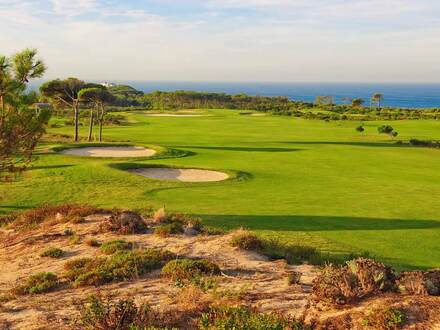
There are over 20 golf courses in the area surrounding Lisbon. Portugal is known for golf and has some of the most challenging courses anywhere.
For a list of local Lisbon golf courses, check here.
Football
Portugal is crazy about football, and the country is always a contender in the World Cup. If you get the chance, you don’t want to miss seeing a football match. Sporting Clube de Portugal and Sport Lisboa e Benfica are both based in Lisbon.
Hiking & walking
Lisbon’s hilly terrain makes it a great workout if you are seeing the city on foot, although it is flatter near the waterfront and the river. There are also some great hiking trails outside the city and in the surrounding area, including Sintra.
Cycling
Because of its spectacular hilly location, cycling can be a challenge in Lisbon unless you rent an electric bike. However, there are relatively flat bike-friendly paths along the river in areas like Belém and Parque das Nações, and you can take scenic rides to Cascais via the waterfront.
For a list of local Lisbon cycling trails, check here.
Lisbon for foodies

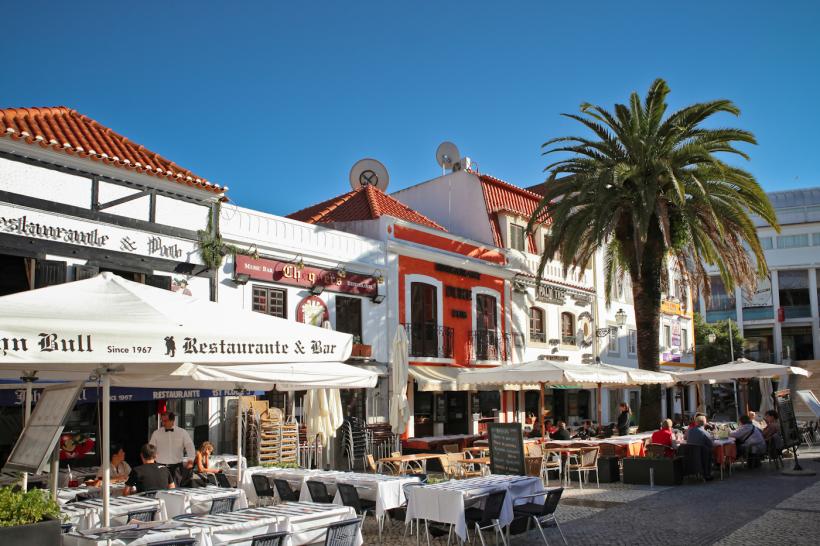
Portugal is known for its wonderful seafood and gastronomy. It is definitely a city for foodies and for snowbirds who like to go out at night. There are plenty of nightclubs, some of which feature the distinctive fado music.
One tip about dining - although dinner isn’t served as late in Portugal as in its neighbour Spain, most Portuguese have dinner around 9 pm. However, restaurants do open at 7 if you don’t want to eat that late.
One of the mainstays of Portuguese cuisine that you will find in Lisbon is Bacalhau – or cod – dried and salted, which is considered the national dish. But you will also find cod prepared many other ways as well.
Caldo Verde is a not-to-be-missed soup featuring pork sausage and greens or cabbage.
Arroz de Marisco is similar to paella and absolutely wonderful…prawns, fish and shellfish cooked in rice with veggies with herbs thrown in.
Sardinhas – sardines - will feature on most menus and are served fresh.
Bifana is a delicious street food that consists of thin slices of pork marinated in white wine and garlic and then fried and served on a bun. You can add mustard if you like, but it doesn’t need it.
For dessert, or just a snack, the Pastel de Nata - a custard tart with heavenly pastry - is another staple.
Lisbon for wine lovers
Portugal has several wine regions, and you will be able to sample the many excellent Portuguese wines in restaurants throughout Lisbon, as well as in local wine bars where you can learn about the wines and do tastings.
And a stay in Lisbon would not be complete without sampling two distinctive local favourites –Ginjinha, a famous Portuguese liqueur made from sour cherries, aguardiente (alcohol), sugar and spices – and Moscatel de Setúbal, a delicious fortified wine made from Muscat grapes from the Setubal peninsula south of Lisbon, normally served chilled as a digestif or with dessert.
Information about the wine route around Lisbon can be found here.
The bottom line
Canadian snowbirds looking for winter-long stay options beyond the southern U.S. or Mexico will find Lisbon an excellent choice. It offers a vibrant, historic and safe environment that is very affordable during the winter months.
There’s plenty to see and do in the city and its surrounding area, and the Atlantic Ocean is right there.
For more detailed information about Lisbon as a snowbird destination, check out Snowbird Advisor's Lisbon Snowbird Destination Guide.