
















LAST UPDATED: August 11, 2026
There is no wrong time to visit Spain - but for a winter escape, Spain is hard to beat, offering so much more than just beaches.
Savvy snowbirds have escaped to Spain for many years now, but more recently, a new generation of snowbirds are discovering this culturally rich and scenically gorgeous country for their winter escapes – and for shorter vacations.
If you are considering Spain as a winter destination, you have many options in Spain, even bigger this year, as there are direct flights from Canada to the Canary Islands, which offer a perfect climate for snowbirds and lots to see and do.
You can find a lot of great information on Spain’s official tourism website.
Spain is actually made up of 17 different regions - each with its own traditions and cuisine. There are fabulous train journeys to explore Spain – or you can rent a car and set out on your own.
There is so much to discover in Spain, and wherever you are, you’ll find spectacular architecture and magnificent scenery. Visit architecturally beautiful Spanish cities and spectacular national parks. Hang out along the Mediterranean coast or explore the diverse interior.
Enjoy strolling the wonderful beaches along the sparkling coastline, dotted with picturesque towns and villages.
Getting there
There are now 17 direct air routes operating between different cities in Canada and Spain. And you can also connect through multiple points in the UK or Europe as well.
New this year are direct flights to the Canary Islands from Toronto and Montreal, providing an easy link to these lovely Spanish islands located off the northwest coast of Africa – and a new flight to beautiful Palma de Mallorca in the Balearic Islands located in the Mediterranean.
During the spring and summer, there are several flights operating to Madrid, Barcelona and Malaga with Air Canada and Air Transat from Toronto and/or Montreal –Air Transat also flies year-round to Valencia. Starting in June 2026, there will be a new route from Montreal to the island of Mallorca. WestJet will also have flights to Barcelona from June until October from Calgary & Halifax, and new flights from Halifax to Madrid starting in June.
Iberia is also opening a new route, Toronto - Madrid, in June.
Air Canada operates flights to Madrid and Barcelona during the winter from Montreal, and Air Transat operates a winter flight from Montreal to Malaga and Valencia-- and the new this year, to Gran Canaria from Toronto.
Air Canada will also operate two flights weekly from Toronto to Tenerife, Canary Islands, beginning October 25 and one flight weekly to Tenerife from Montreal beginning October 31.
However, please be aware that flight schedules, airlines, destinations and dates change frequently, so it is best to check each airline or ask your travel agent for the most up-to-date schedules.
Getting Around

One of the best ways for snowbirds to explore Spain is by train - Spain is home to the largest high-speed rail network in Europe, offering fast, reliable and convenient connections between major cities and regions across the country.
Rail travel provides an ideal way to discover lesser-known destinations and hidden gems, allowing you to explore beyond Madrid and Barcelona and experience the diversity of Spain’s regions, culture and gastronomy.
Travelling by train is also one of the most sustainable ways to explore Spain, combining comfort and efficiency with a lower environmental impact compared to other modes of transport.
The Spain Rail Pass is a unique and flexible product for Canadian travellers, enabling them to seamlessly visit multiple destinations and regions throughout Spain with a single pass, making multi-city itineraries easier and more cost-effective.
You can also benefit from a competitive rail market with multiple operators, including Renfe (AVE and Avlo), iryo and OUIGO España, offering a wide range of schedules, services and price points to suit different travel styles and budgets.
You can find more information about exploring Spain by high-speed rail here.
Accommodations

If you’re looking for some unique places to stay during excursions or shorter visits to Spain, the state-owned Paradores de Turismo is a network of hotels that are housed in historic buildings - including palaces and monasteries - in spectacular settings. This year, the Balearic Islands will also have a Parador in the heart of the Island of Ibiza.
And of course, there are hotels - from budget to deluxe - in historic cities, along the coast and in charming smaller towns.
Winter is off-season in most of Spain, so you will find rates that are much more reasonable than during the summer months for all kinds of accommodation, including resorts, efficiency hotels with kitchens, rural inns and rental apartments.
In Spain, be sure to check whether any meals are included with your accommodations, as it is common for breakfast to be included and sometimes one more meal as well. Also, check on the availability of Internet connections or air conditioning in the room, and whether there are laundry facilities, a gym, parking, etc.
You can find more information about accommodations in Spain here.
Food and wine

Spanish Cuisine is famous for being healthy, varied, creative and delicious! Here you can follow the popular and healthy Mediterranean diet with ease. Featuring ingredients such as olive oil, fresh seafood, olives, anchovies, Iberian ham and plentiful fresh fruit and vegetables, you cannot beat Spanish cuisine.
From traditional tapas to Valencian paella, local stews, sausages and hams, and delicious desserts –discovering the many regional specialties is a culinary adventure. Traditional inland dishes are complemented by products from vegetable gardens in the south and the simplicity of cuisine from the north.
Enjoy outdoor cafes during the day for a cortado - and at night? Dine late as the Spaniards do and be sure to have a siesta in the afternoon! Spain is definitely a foodie destination to be savoured during your stay.
Spanish chefs are known internationally for their gastronomic creations at Michelin-starred restaurants. But you don’t have to go high-end to enjoy fresh, healthy Spanish cuisine everywhere you go in Spain.
Spanish wines are the perfect accompaniment to lunch or dinner. Rioja produces the most famous Spanish wine, but you will discover other options throughout your stay in Spain.
If you like to discover wines, the Wine Routes of the Spanish Association of Wine Towns offer a great way to explore the wine regions of Spain. Rent a car and discover Spanish wine culture on your own time - or take a tour. Visit wineries for tastings, learn about pairings, stay overnight surrounded by vineyards and learn all about Spanish wines.
And in the wine regions, you can also take part in flying over the fields in a hot air balloon, cycling through the vineyards, and hiking.
If you are renting accommodations with a kitchen, or you enjoy visiting markets, you will want to visit the spectacular markets around Spain. Often in fine architectural settings, these markets are overflowing with fresh produce, fresh seafood and meats, a vast selection of cheeses, and so much more.
You will find markets everywhere, but these are worth a visit if you are nearby:
- San Miguel and San Anton markets in Madrid
- La Boqueria and Santa Catalina Market in Barcelona
- Victoria Market in Cordoba
- Barranco Market in Seville
- Central Market in Valencia
- El Puerto Market in Las Palmas de Gran Canaria
- La Merced Market in Malaga
World Heritage Cities in Spain
Spain is home to many UNESCO World Heritage sites - 15 of which are cities - including Salamanca, home to the first university in Spain; Santiago, the final stop on the famous pilgrimage route the Camino de Santiago; Cuenca with its unique hanging houses built into the cliff side; the Old Town in Caceres with its mediaeval streets and mix of Gothic and Renaissance architecture; and the island of Ibiza, one of the Balearic Islands in the Mediterranean.
Madrid & Barcelona – two world-class cities
If you are flying to Spain, chances are you will arrive in either Madrid or Barcelona, both fabulous cities and worth a three-day visit – or more-- at the beginning or end of your trip.

Madrid is the Spanish capital and is filled with stunning architecture, elegant boulevards, fine city parks and many spectacular collections of art. Madrid is also the capital of Flamenco - the dramatic Spanish art form that combines classical guitar, voice and dance. Brimming with history and culture, Madrid is a city for the senses.

Barcelona is the second-largest city in Spain after Madrid, a cruise port set on the Mediterranean coast. It is a cosmopolitan city that is home to the fabulous Gaudi cathedral – La Sagrada Familia – which is reason alone to go there. There is no other building on earth like this one. Gaudi’s architecture can be found throughout the city center, and this is the Year of Gaudi 2026 - marking a century since the famous architect died. There are also museums dedicated to both Picasso and Miro. Whether along the waterfront or in Las Ramblas, Barcelona is a great city for strolling. Insert new Barcelona photo
Where to go in Spain
There is so much to see in Spain, and each region and city is different. You really cannot go wrong in any region in Spain. But if you are looking for a winter escape, you will want to scout out these more southerly regions for a winter escape.
Canary Islands
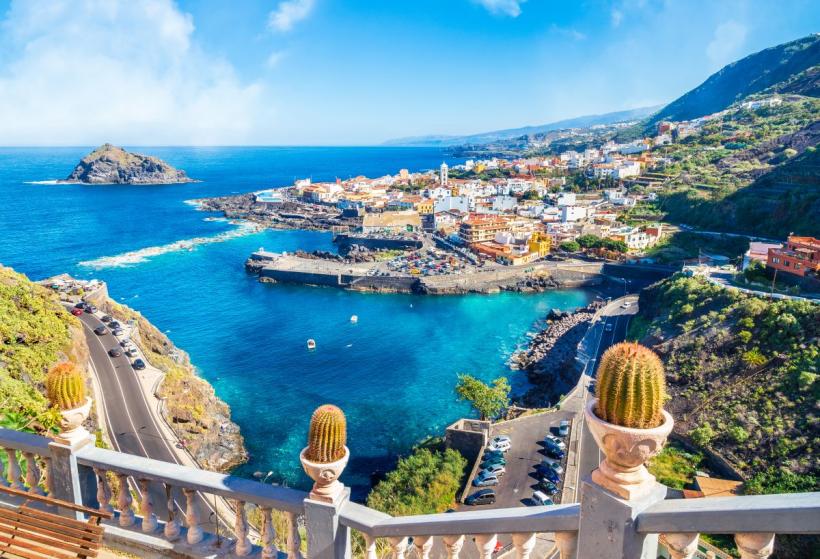
The Canary Islands are a chain of volcanic islands off the coast of northwest Africa belonging to Spain, the largest of which is Tenerife. The islands have a year-round warm climate and have long been a favourite vacation choice of British and European visitors, so you’ll find a good infrastructure of accommodations, bars, restaurants and lots to do.
New direct flights next winter provide an easy link to the Canary Islands for Canadian snowbirds.
Outside of the tourist areas, there are national parks that are perfect for hiking and exploring - along with the volcanoes - including the third-tallest volcano in the world in Tenerife.
The Canary Islands have the mildest climate in all of Spain in the winter and would be a good choice for snowbirds in the winter. Spring is also an ideal time to visit because of mild temperatures, fewer crowds and lower accommodation rates.
Mallorca
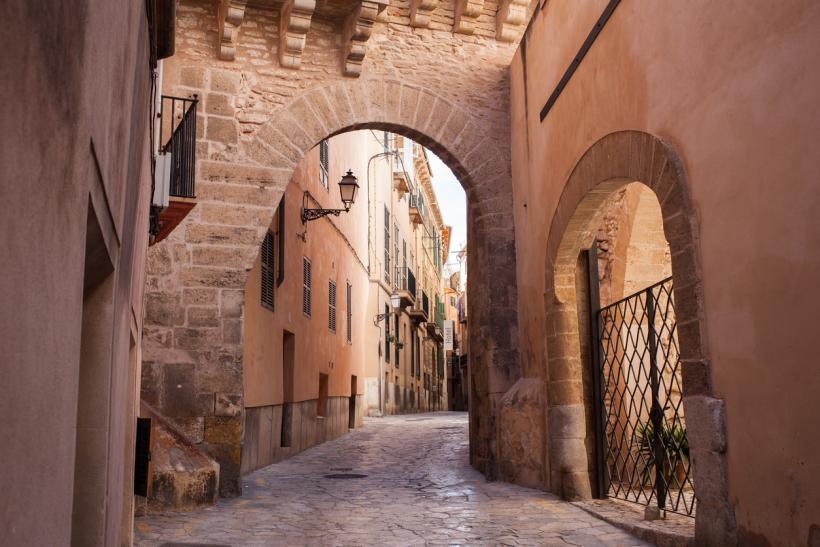
Mallorca is one of Spain’s Balearic Islands, located in the Mediterranean off Spain’s southeastern coast.
A summer vacation favourite for the British and Europeans, Mallorca is a beautiful island that has it all - beautiful beaches and secluded coves, watersports, great food and restaurants, nightlife, a sunny, mild climate year-round and a rich history.
Spring is a wonderful time to visit Mallorca before the summer tourists arrive, and you’ll find lots of accommodation choices here. Getting to Mallorca is easy - there are several ferries from Spain, as well as flights from Spain and many parts of Europe - and the new flight from Montreal directly to Palma de Mallorca
Valencia
Valencia is a city and also a region on Spain’s eastern coast. The city is home to the UNESCO site, the Silk Exchange ‘La Lonja de la Seda’, as well as the City of Arts and Sciences featuring an aquarium, a planetarium and an opera house amidst a stunning modern architecture complex.
Paella is said to have been invented here - although exactly where is a matter of ongoing debate!
The area has many fabulous beaches and resort areas including the famous resorts of Alicante, Denia and Benidorm.
Murcia

Murcia is also both a city and a region just south of the Valencia region. Also on the Mediterranean, Murcia has some pristine beaches that are less busy than those in the Costa Del Sol or the main Valencia regions. Murcia’s beach towns are not well known but offer the same sunny Mediterranean beach experience as its sister regions.
A university town, Murcia has many expansive parks and pedestrian streets and is great for walking. It is home to a stunning cathedral but also has historic links to the Jewish community.
Cartagena is another city in the Murcia region and is a large Spanish naval base. It has contrasting Roman sites alongside modernist architecture. And of course, beaches too!
Andalusia
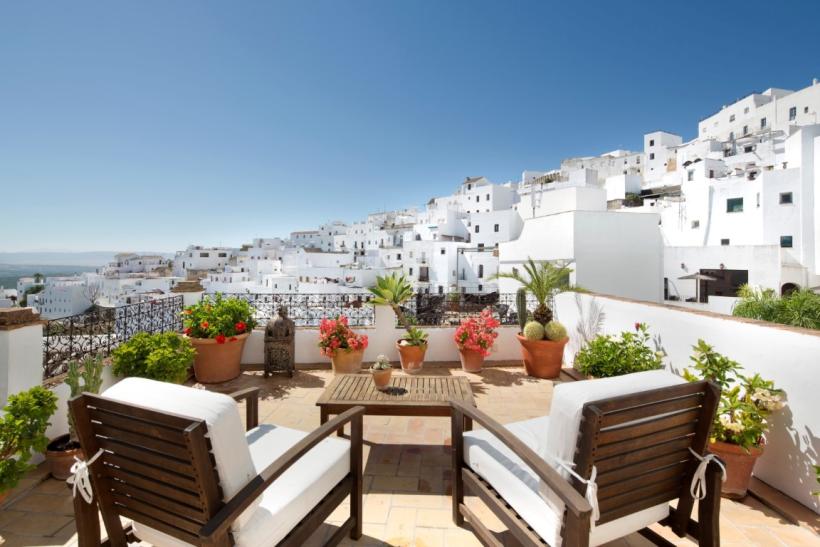
Andalusia is a large region across much of the south of Spain, bordering the Mediterranean, and home to such iconic resort towns as Malaga and Marbella along the famous Costa del Sol. Inland, you’ll find the amazing cities of Seville and Granada, among others.
Located close to North Africa, this region has deep Moorish influences following the occupation by the Moors from the 8th century to the 15th century, which you will see in the architecture and the look of the cities, like the breathtaking Granada and some special villages.
However, with many seaside towns and villages along the coast, the beaches are the biggest draw of this part of Spain - along with the fabulous food. You’ll want to sample wonderful local Tapas, wines and olive oil.
The bottom line
Spain is a great destination for Canadian snowbirds, both for vacations and long-term stays over the winter. New flights from Canada make it even easier to get to Spain without having to connect.
Retired Europeans and the British have been spending the winter in Spain for many decades, and the sunny, dry climate in the south makes it a perfect snowbird destination.
For more detailed information about Spain as a snowbird destination, check out Snowbird Advisor's Spain Snowbird Destination Guide.